


Review Summary
Pros: very close and comfortable shaves, fast and powerful, compact head (for a 5-blade shaver), excellent hair trimmer, wet&dry use, generous included kit
Cons: no USB-C for the USA models, noisy, very basic display, larger and heavier than previous ARC 5, pricey
A couple of years ago, Panasonic introduced the latest generation of its 5-blade shaver.
It was called the Lamdash PRO 5 and was initially available only in Japan.
In 2026, Panasonic finally released this shaver family in the USA as the ARC 5 PRO and in Europe as the Enhanced Series 900.
The new ARC 5 PRO promises a closer and more effective shave than the older, basic ARC 5 models.

With a completely redesigned foil system and a couple of other tweaks, the PRO models do make a very strong first impression.
But they also cost significantly more, and it’s only fair to wonder if the real-world performance matches the price tag.
In this review, I’ll tell you all you need to know about the new Panasonic ARC 5 PRO, including how it compares to the old, non-PRO ARC 5, and whether you should upgrade or not.
I’ll also be comparing the ARC 5 PRO to the ARC 6 and a few similarly-priced options from Braun and Philips.
Panasonic ARC 5 PRO: What exactly is it?

As mentioned at the beginning, this generation was actually first launched a couple of years ago in Japan as the Lamdash PRO 5.
It marked a significant departure from all the previous ARC 5 iterations, with a completely new foil head and a new design of the shaver itself.
In fact, the ARC 5 PRO/Lamdash PRO 5 shavers are a lot more similar to the range-topping ARC 6 models.

And until 2026, you could only import these new ARC 5 models from Japan or, more recently, from Australia or Hong Kong.
Fortunately, Panasonic decided to officially release them in the USA as well (as the ARC 5 PRO).
There are two variations available:
- ES-L550WS (no cleaning station)
- ES-L580WS (includes an automatic cleaning station)
Here’s a quick comparison of the two:
| Model | Accessories | Price |
|---|---|---|
ES-L550WS | Protective cover, charger, travel case, oil, cleaning brush | Amazon |
ES-L580WS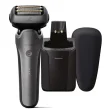 | Protective cover, charger, travel case, oil, cleaning brush, automatic station, 1xdetergent pack | Amazon |
I actually bought one of the initial Japanese model names, and I’ve been using it for almost 2 years now.
It is absolutely identical in terms of performance, design, and specs to the two USA models (minus the color).

The ARC 5 PRO is still a 5-blade foil shaver, just like the non-PRO ARC 5, but with a different structure of the foil head, a better beard density sensor, and a new design.
As a result, the shaving performance has been improved, at least according to Panasonic.
But as you’ll see later on in the review, the ARC 5 PRO also comes with a couple of downgrades compared to the regular (and less expensive) ARC 5.
The European models are the ES-L550U and ES-L580U, very similar to the corresponding USA models.
Let’s now quickly go over the main features.
Features overview
1. New 5-blade foil system

This is by far the most important change the ARC 5 PRO brings compared to any previous ARC 5 generation/revision.
While we still have 5 independent active cutting elements, the structure has been altered considerably.
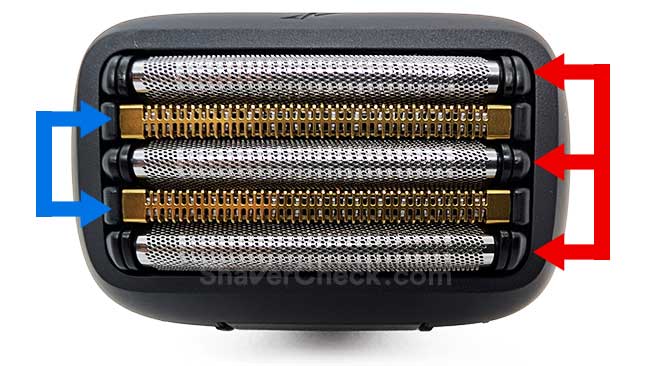
We now have three foil elements (red arrows) that cut the hair at skin level and two slit trimmers (blue arrows) for catching thicker, longer and flat-lying hairs.
With all the previous (non-PRO) ARC 5 models, we had four foil cutters and only one slit trimmer:

This change is clearly an attempt to address one of Panasonic’s long-standing and intrinsic weaknesses: the way it handles difficult facial hair.
Panasonic shavers work great with short and straight hair, but often struggle to capture flat-lying hairs that grow in different patterns.
Braun and Philips, on the other hand, have always been consistently better with this type of hair.
We’ll see later how much this new design improves things.
With two slit trimmers, the ARC 5 PRO head now looks very similar to the ARC 6 (Lamdash PRO 6) head.

The second major change to the ARC 5 PRO head is that all 5 blades are non-removable and integrated into the foil block.
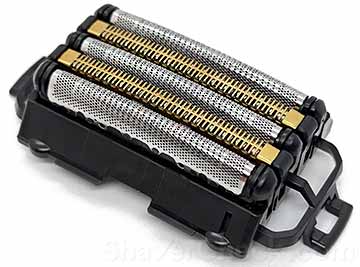
Previously, we had two removable and only three integrated blades.
I personally think this is a welcome change, as it simplifies part numbers and makes changing the foil easier.
It’s a single cassette-style foil block that pops into the foil frame.
One might argue that cleaning is now more difficult, but having used my shaver for almost two years, I haven’t had any issues with that.
Finally, the hole pattern of the foil has been tweaked as well, and the new diagonal orientation is supposedly 50% more efficient (at least that was Panasonic’s conclusion after some in-house testing).
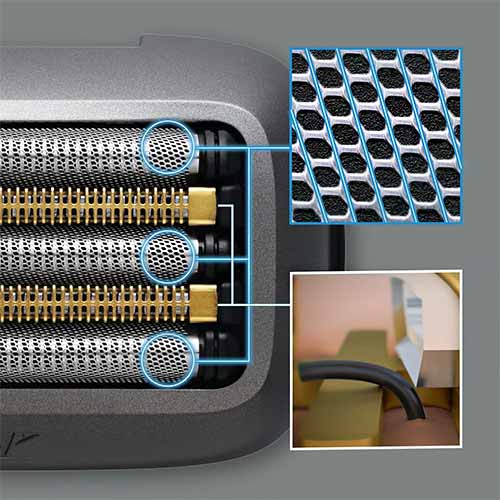
I will be talking about this in more detail in the shaving performance section.
Interestingly, the two comfort rollers that were introduced with the Generation 3 ARC 5 are completely gone on the ARC 5 PRO (which is essentially the Generation 4).

Even though the rollers provided some benefits (easier gliding), some users found them obtrusive and even prevented them from getting the closest shave.
So Panasonic probably listened to user feedback and got rid of them.
A side benefit is that the new cutters are now closer together, a bit slimmer, and the foil frame is less bulbous.
All of this means that the ARC 5 PRO has the most compact shaving head among all ARC 5 models.
2. Highly complex flexing system
Pompously called a 20D flexible head, it allows the ARC 5 PRO head a lot of freedom and should, in theory, help with following the contours of the face.
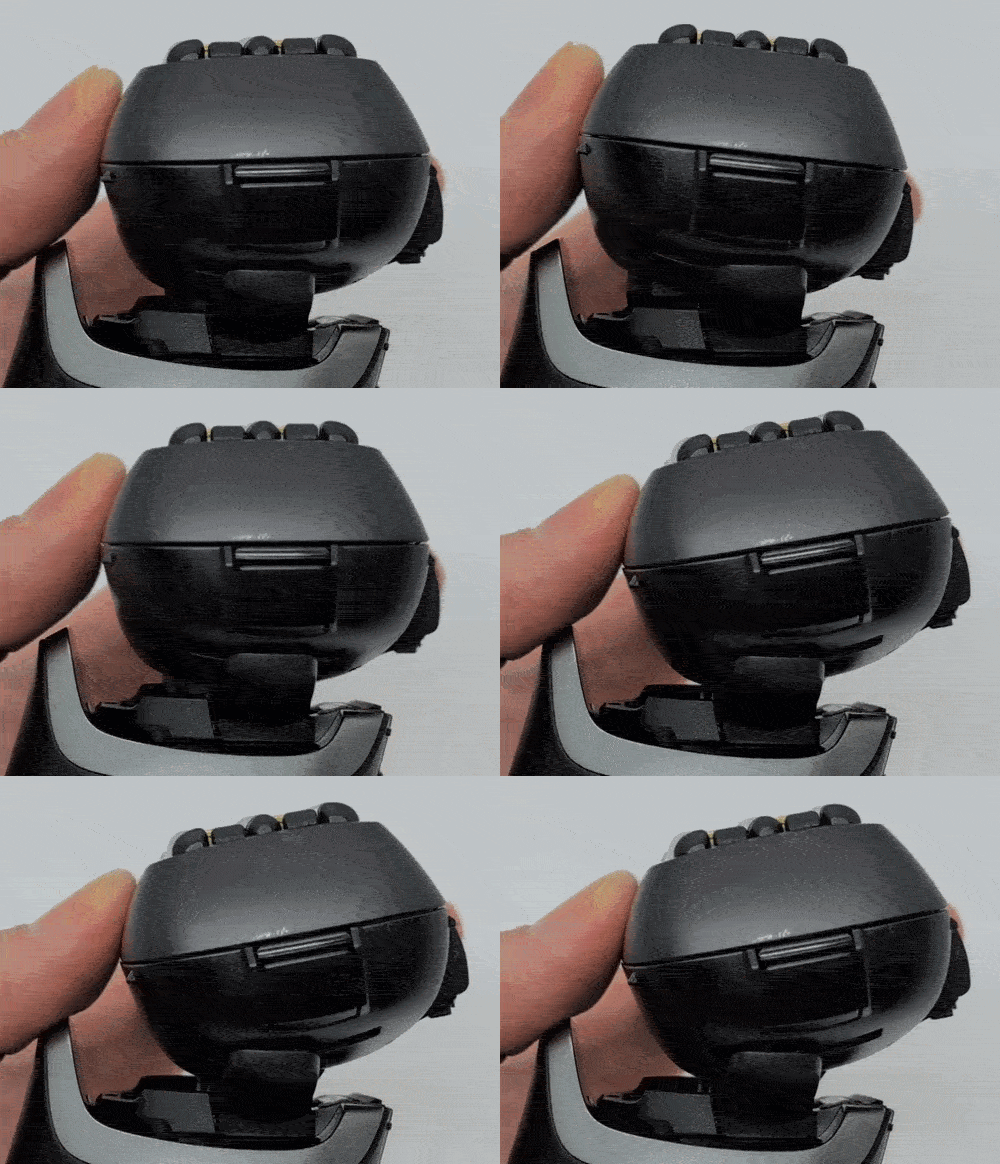
Just like the head of other recent 5 and 6-blade Panasonic razors, the ARC 5 PRO head can move front to back, left to right and up and down.
The 5 cutters are also independent and can flex.
Panasonic has always been pretty underwhelming here, as all this impressive flexing tech never provided any real benefits.
3. The fastest motor in the industry
Unsurprisingly, Panasonic decided to use its 14 000 CPM (cycles per minute) linear drive motor for the ARC 5 PRO series.
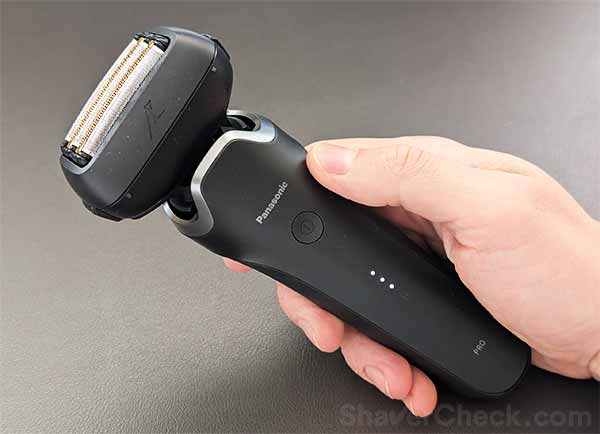
It’s the same unit found in the Arc 6, and it’s arguably the best in business: compact, fast, reliable, torquey, and smooth.
However, the 14 000 CPM rating is just the maximum it can achieve; the ARC 6, for example, always felt a bit faster than an ARC 5 fitted with (presumably) the same motor.
So it’ll be interesting to find out how the ARC 5 PRO will perform.
The shaver does come with a new beard density sensor that can now read information 233 times/second.
The old sensor in the previous ARC 5 models (like the ES-LV67) was rated at 220 readings/second.
It should help with a smoother and faster power modulation depending on the thickness and density of the stubble.
This sensor cannot be disabled and it’s constantly choosing the optimal power.
On some older ARC 5 models, like the ES-LV65, you could disable it and have the motor running at full power all the time.
4. Wet/dry, cordless-only operation
The two USA models available in the ARC 5 PRO series, the ES-L550WS and ES-L580WS, are suitable for wet & dry use.
This means you can also wet shave or rinse the shavers with water.
Like all Panasonic models released globally, they will not work with the cord plugged in.
As a side note, some of the Japanese ARC 5 PRO models (called Lamdash PRO 5 in Japan) will actually operate both cordless and corded.
My unit is one such model (ES-L570D), and this is one of the reasons why some might choose to import the shaver from Japan instead of buying a USA model.
The Li-ion battery in the ARC 5 PRO can provide up to 45 minutes of cordless-only operation, which is just ok.
In contrast, the Braun Series 9 PRO/PRO+ can easily go for 60 minutes on a single charge.
5. No USB-C port (!)
The second reason you might want a Japanese (or European) model is the lack of a USB-C port on the USA ARC 5 PRO.
For some strange reason, Panasonic chose to fit these shavers with their proprietary port.
The cordless-only Japanese, European, and Australian models, on the other hand, have USB-C, which is a lot more practical as you don’t need a dedicated Panasonic charger.

For me personally, this is the biggest letdown of the USA ARC 5 PRO release.
As a side note, my Japanese model is also fitted with the Panasonic port instead of USB-C, but only because it’s cordless & corded.
As mentioned earlier, the cordless Japanese and European models come with USB-C (for example, the ES-L550U or ES-L580U).
For the exact part numbers of the Japanese models, you can check out this post.
6. Hair trimmer
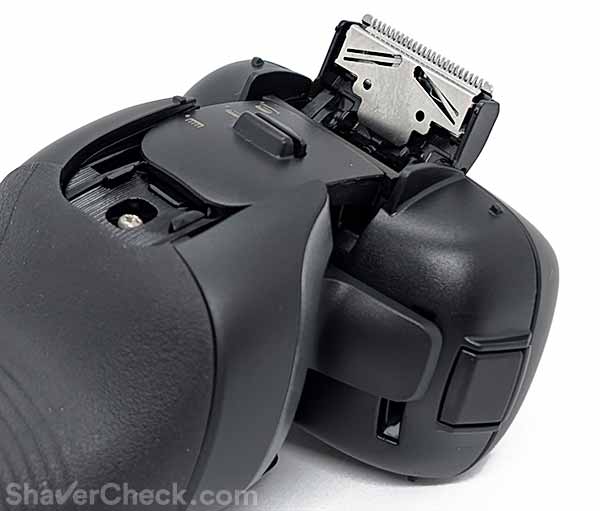
The new shavers are fitted with Panasonic’s trademark pop-up hair trimmer.
I’ve always found Panasonic integrated trimmers to be the best by far, and this one should be no different.
7. 3-level battery indicator
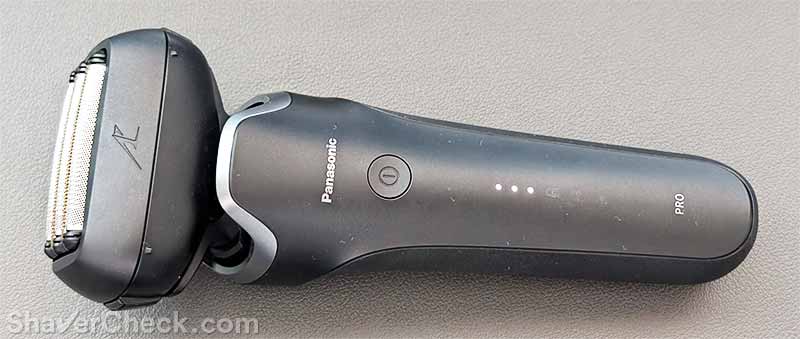
A downgrade of the ARC 5 PRO vs the older (and more reasonably priced) non-PRO ARC 5 is the battery charge display.
The two ARC 5 PRO models available in the USA only come with a very basic 3-level indicator.
In contrast, my ARC 5 ES-LV65, which was launched in 2013, has a 10-level battery indicator and it even shows the duration of the shave.
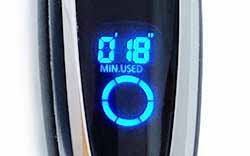
The display of the 2026 ARC 5 PRO is downright disappointing in comparison.
To me, this is clearly a cost-cutting decision and a shaver in this price range should feature at least a 5-level battery level indicator.
I know this may seem like nitpicking, as it’s not something that affects shaving performance, but you should be getting more (or at least the same) features if you’re paying more.
8. Warranty
In the USA, the Panasonic ARC 5 PRO comes with a standard 2-year warranty.
There’s no option to register your shaver and extend it (like Braun does for some of its range-topping models), and there’s no money-back guarantee.
Philips (Norelco) often offers a 45-day money-back guarantee, at least for the more expensive series.
Build quality and ergonomics
For the last 15 years or so, Panasonic has constantly been the benchmark for build quality among the big three shaver brands.
Philips and Braun have been cutting corners a lot more aggressively than Panasonic.
For the latest 5-blade generation, the ARC 5 PRO, Panasonic went for matte surfaces and a minimal, understated visual language.

The overall result is a shaver that resembles the Arc 6 a lot more than the previous non-PRO Arc 5.
The shaver’s larger body size, along with its design and ergonomics, makes it feel like an ARC 6 lite.
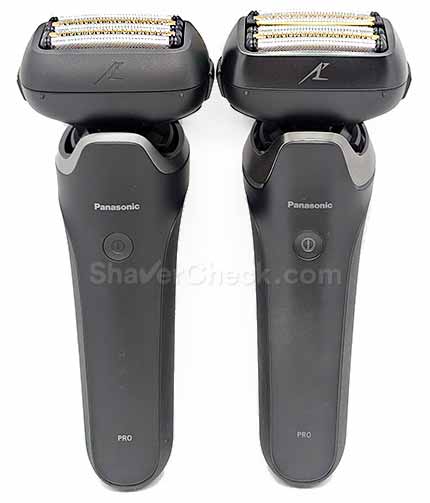
Compared to the basic ARC 5 (ES-LV65, ES-LV67, ES-ALV6HR, etc.), it is larger and heavier.
In terms of build quality, I’d say it’s at least as good as those, with high-quality plastic, no panel gaps, no squeaking, and no flexing.
I personally would take matte over glossy any day, I think it’s visually better and will show fewer scratches and smudges.
The shaving head is the part where Panasonic edges ahead of Braun in terms of engineering.
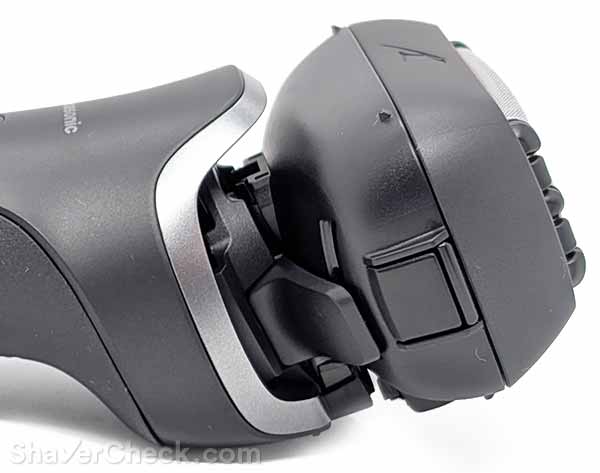
The integration of the foil frame, flexing mechanism, hair trimmer, and locking mechanism into a single piece is impressive.
Not to mention that the motor itself is also placed inside the shaving head.
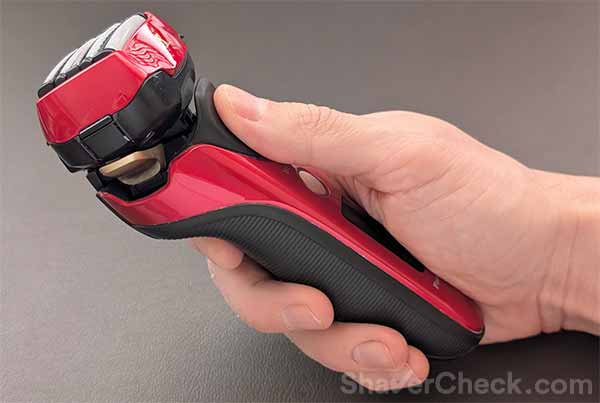
The ergonomics, on the other hand, are not quite as good when comparing the ARC 5 PRO to the older and more compact ARC 5.
The body is thicker, especially toward the top, where you would grip it.
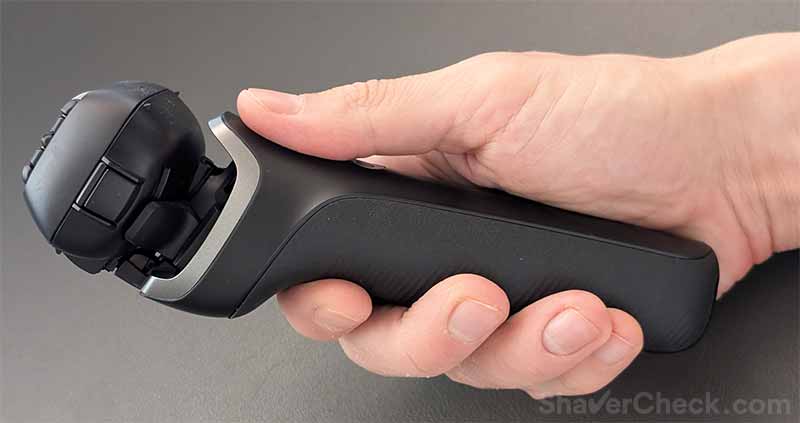
Even though there’s a massive cutout on the back, the girth of the shaver is still substantial.
There’s no non-slip thumb rest on the front anymore, but fortunately, we still get a generous rubberized sleeve, which provides fantastic grip.
The PRO ARC 5 series has also gained a bit of weight. It now tips the scale at 216g, being approximately 20g heavier than the ES-LV67.
In practice, that is negligible, but the thicker body and the lack of a thumb rest make the non-PRO ARC 5 easier on the wrist:
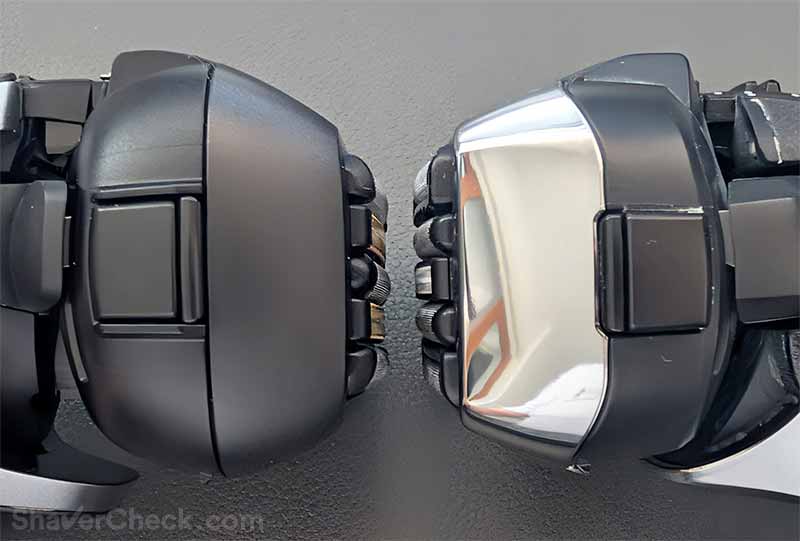
But the PRO does make up for that with the smaller head.
As mentioned previously, the 5 cutters are closer together, which makes the whole head smaller.
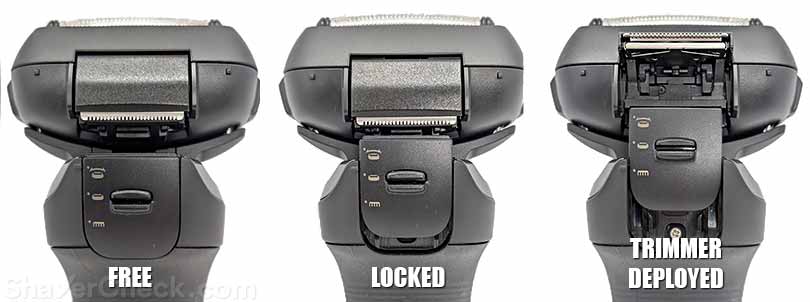
We still get the multi-purpose switch on the back of the ARC 5 PRO shaving head, with its 3 positions:
- Free
- Locked
- Trimmer deployed
On the ES-L580WS, just below the switch, we’ll find the 3 metal leads for connecting the shaver to the cleaning station:
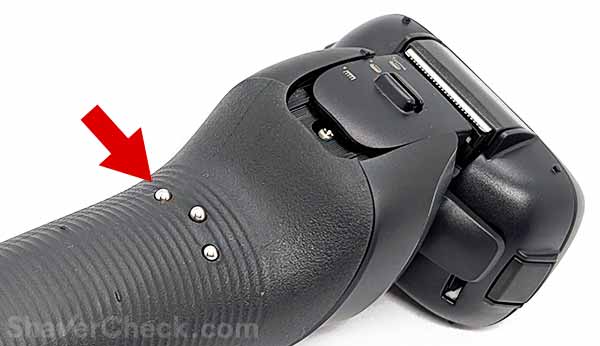
The ES-L550WS will only have 3 blanks and the shaver will not work with a cleaning station.
On the front part of the ARC 5 PRO, there’s a small power button that also doubles as a travel lock.
With the shaver running, pressing and holding the button will activate the travel lock.
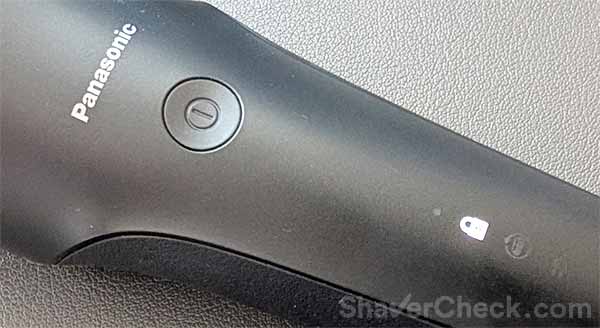
Pressing and holding the button again for at least 2 seconds will unlock the shaver.
As a side note, my old ARC 5 ES-LV65 still has the best-designed travel lock of any shaver: a locking ring surrounding the power button, by far the most intuitive and quickest way of interacting with a travel lock.

It physically prevents the power button from being pressed. On the ARC 5 PRO (and on all current Panasonic razors), it’s just an electronic lock.
The very minimal ARC 5 PRO battery indicator is comprised of 3 small white LEDs.

It is, in my opinion, the lazy (and inexpensive) way of implementing this feature on a shaver.
An actual display that shows more useful information would have been preferred, especially considering the price increase over the regular ARC 5.
Again, I have to mention the old ES-LV65 with its feature-rich display or even the ES-LV67/ES-ALV6H (5-level indicator).
On the bottom, we have a Panasonic charging port on both USA ARC 5 PRO models.
As we know, the Japanese cordless-only models have USB-C.
My unit, being a Japanese cordless&corded shaver, still comes with the Panasonic port.

But I just don’t understand why the USA cordless-only models didn’t get the more practical USB-C.
Takeaway
Overall, while the build quality is super solid and the ergonomics are more or less the same as before (smaller head, but thicker handle), it’s rather disappointing to see some downgrades (very basic display and no thumb rest) vs the more affordable non-PRO ARC 5.
Included accessories
Here’s what’s included with the ARC 5 PRO ES-L550WS:
- Protective cap
- Power cord (RE7‑87)
- Cleaning brush
- Lubricant
- Hard textile travel case
- User manual
In the case of the ES-L580WS, we get a cleaning station and a pack of concentrated detergent on top of that.
The bundle is pretty solid in my opinion, and unlike any previous ARC 5 sold in the U.S., the PRO finally comes with a proper travel case that offers adequate protection.

Also, Panasonic is one of the few brands that still offers a protective plastic cover for the foil head.
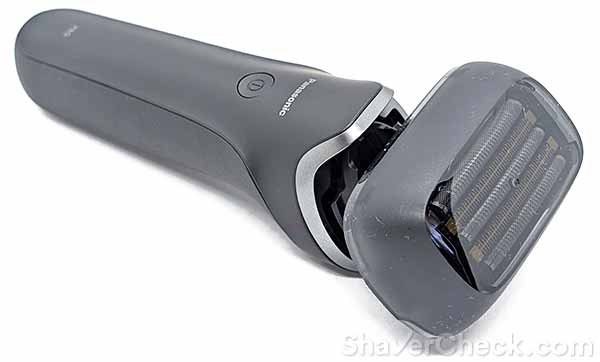
And it’s a really good quality cover; it looks good, with matte and clear plastic, and doesn’t feel flimsy.
My unit is a Japanese model, identical performance-wise to the USA ARC 5 PRO, but comes with a flimsy cloth pouch instead of the nice travel case.

So in that regard, the American ARC 5 PRO has a better kit.
The official Panasonic USA product page doesn’t (yet) list the English user manuals, so here they are (PDF):
Shaving performance
As mentioned at the beginning of the review, I managed to buy my ARC 5 PRO right after the initial 2024 Japan launch.
I’ve been shaving with it consistently since then, so I’ve gotten a really good sense of its performance and the specific pros and cons.
Throughout this time, I also had the chance to try the ARC 6/Lamdash PRO 6, including the latest revision, and also Braun’s latest S9 PRO+.
So I will reference those as well, not just the basic ARC 5.
Strangely, it took Panasonic almost two years to bring the ARC 5 PRO to the USA. Australia for example got it much sooner (over there it’s called the Series 900 PRO).
So let’s see how good it really is and if it’s worthy of the PRO branding and the price bump.
For reference, my Japanese ARC 5 PRO is the ES-L570D, but identical performance-wise to the ES-L550WS and ES-L580WS.
Closeness
The old Arc 5 has always been a top shaver in terms of how close it can consistently cut the hair.
So any improvements in this area would be rather incremental, much like it happened when the flagship ARC 6 was launched.
Having used the ARC 5 PRO alongside the basic ARC 5, I found that to be true here as well.
The skin feels ever so slightly smoother to the touch, especially the chin and moustache areas, which in my case have coarse and dense stubble.
With only 3 foil cutters instead of 4, the new ARC 5 PRO is still at least as good when it comes to closeness.
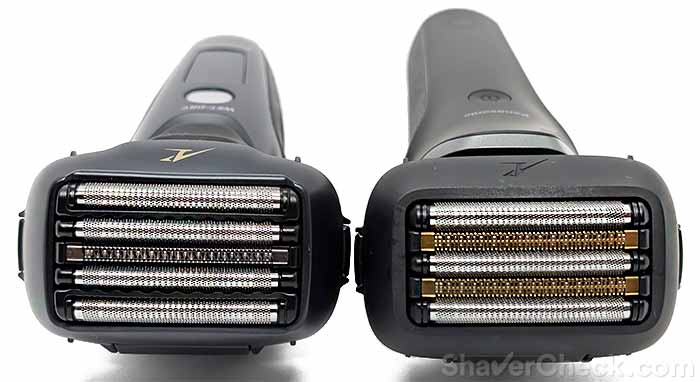
The foils have been refined, but in my opinion, what allows them to cut a bit closer is the fact that they’re also more comfortable.
So in my case, I’m able to press a bit harder and do more passes without discomfort, allowing me to get a slightly closer result.
The older ARC 5 versions, like the ES-LV65 or ES-LV67, are more aggressive, especially when used dry.
So the slightly better closeness of the new ARC 5 PRO might be a side effect of it being gentler, and that works great for me as I have sensitive skin.
On the other hand, if you were perfectly fine with the comfort of the older ARC 5, you may not notice a significant improvement in closeness.
The ARC 5 PRO, alongside the ARC 5, continues to be among the closest-shaving electric razors out there without making too many compromises.
For example, the foils aren’t so thin that they would wear out in a couple of months.
That can happen for example with something like the Andis ProFoil, which is also very aggressive and likely to cause razor burn.
The absolute champ (while still remaining practical and versatile) remains the latest ARC 6 (or Lamdash PRO 6), which feels a bit more refined, faster, and requires less effort than the ARC 5 PRO.
I got the best results (when shaving dry) when I paired the ARC 5 PRO with a slightly oily pre-shave lotion, like Speick or Lectric Shave.
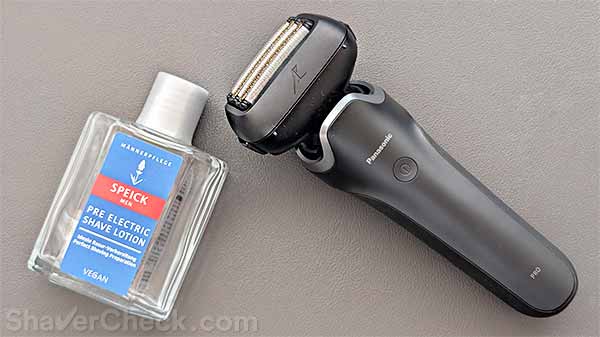
The ones that are very drying (like Tabac or Gatsby, that otherwise work even better for a closer shave), actually prevent the head from gliding smoothly.
Despite being smaller than before, the ARC 5 PRO head is still quite massive, so there’s more friction.
A 4-blade Series 9 PRO/PRO+ head for example glides with minimal resistance.
But in the context of closeness, I think the ARC 5 PRO edges ahead of the latest Braun S9 PRO+ 96xx.
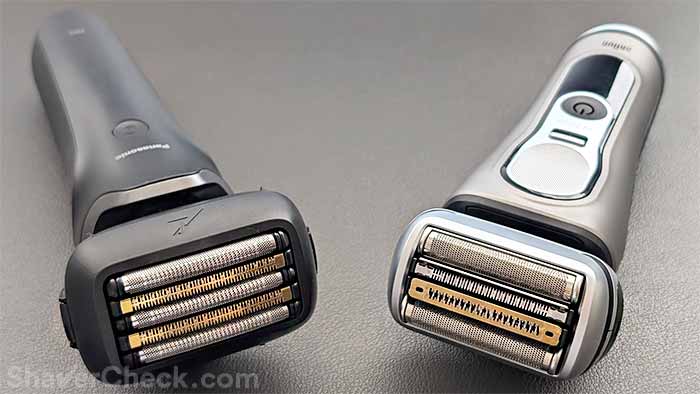
However, the gap is now smaller than before, as Braun has gotten better with that latest update.
Overall, I’d say the ARC 5 PRO delivers in closeness, and I would place it slightly above the non-PRO ARC 5, but also slightly behind the latest ARC 6/Lamdash PRO 6 (aka Series 1000 PRO in Australia).
And considering the prices, this hierarchy seems about right.
Comfort
As hinted above, the comfort of the ARC 5 PRO is excellent.
I think the vast majority of users would find it adequately smooth and gentle, especially during a wet shave, where it absolutely shines.
Panasonic ARC 5 PRO ES-L550WS
But even the dry shave comfort is good enough.
I’d say it’s among the most comfortable Panasonic models out there, again only edged by the more refined (and much more expensive) ARC 6.
It did pinch me a few times, but it was a very specific use case.
Whenever I tried shaving after around 3 days of growth, and I moved the head a bit too fast, the cutters would sometimes snag on a few hairs on my neck.
That happened despite the ARC 5 PRO head featuring two trimmers designed for this type of longer/flat-lying hairs.
It wasn’t super uncomfortable, but it would happen consistently in this scenario: long stubble + moving the head fast.
In comparison, my Braun S9 PRO+ is a lot more forgiving in this exact context.
But the improvement of the ARC 5 PRO over the older ARC 5 generations is there, and the new shaver is more comfortable.
Considering how close it can shave, it’s rather impressive, as those two things are very difficult to balance.
Shaving longer, flat-lying hairs
This has been one of my main points of criticism for years. Panasonic shavers, entry-level or high-end, just can’t seem to get this right.
And the non-PRO ARC 5 was underwhelming, to put it gently.
Panasonic tried to address this with the new ARC 5 PRO by tweaking the foil hole pattern and by fitting two slit trimmers instead of one.
The result is a noticeable improvement, the shaver now being as effective as an ARC 6.
But in my opinion, it’s still not good enough.
The large head, with that wobbly flexing and the stiff cutters, just doesn’t mold to the surface of the skin as nicely as a Braun Series 9 head does.
Moreover, you still need many passes for a clean result, especially on the neck, where longer, stray hairs get left behind.
When I switched from the ARC 5 PRO to a Series 9 PRO+ while shaving a 3 or 4-day beard, the difference was night and day.
Braun’s advantage with this type of hair is just massive.
So if the former ARC 5 was bad, the ARC 5 PRO is just mediocre at capturing long, flat-lying hairs.
So the advice to shave more often for the best results is still relevant for the PRO.
In the case of most users, that would be anywhere from daily up to every 2–3 days, depending on how fast the stubble grows.
Certain factors can influence this. For example, if the whiskers stay flat on the skin or grow in multiple directions, it will probably make things worse.
In that case, the solution is to shave even more often or to simply opt for a different shaver that is a lot more effective in this scenario.
For example, the Braun Series 9 PRO/PRO+ or the Philips i9000 (Prestige Ultra).
The latter is a rotary, so I would mainly recommend it if you know from past experience that rotaries work well with your beard, skin, and technique.
So unsurprisingly (at least for me), shaving longer stubble is still the Achilles heel of the ARC 5 PRO.
Since it uses basically the same foil system as the ARC 6 (with one less foil), the result was somewhat predictable.
Wet shaving
I will keep this one very short, the wet shaving performance of the Panasonic ARC 5 PRO is outstanding.
Again, no surprises here as it’s sort of a trademark of all Panasonic models.
Paired with a good shaving cream (I prefer the non-foaming Beard Lube from Jack Black), the ARC 5 PRO delivers one of the closest and smoothest shaves of any electric razor.

I know it’s not everyone’s cup of tea, as many men switch to electric to get rid of shaving cream and prep, but if you’re fine with that, definitely try it.
Personally, I wet shave only when time allows it or I need an extra close shave for an event, and every single time I use either an ARC 5 or ARC 6.
And the ARC 5 PRO is just as good as those, and I find both the closeness and the comfort of the wet shave superior to a dry shave.
Just make sure you’re using a very thin layer of lather, with a rather watery consistency.
Hair trimmer
The pop-up hair trimmer of the ARC 5 PRO continues to be the best in business, at least for a certain use case.
And that use case is light grooming: sideburns, goatee, moustache trimming, or cutting some stubborn stray hairs.
The trimmer is positioned perfectly toward the top of the shaving head, it’s super smooth, effective, and cuts the hairs very close.
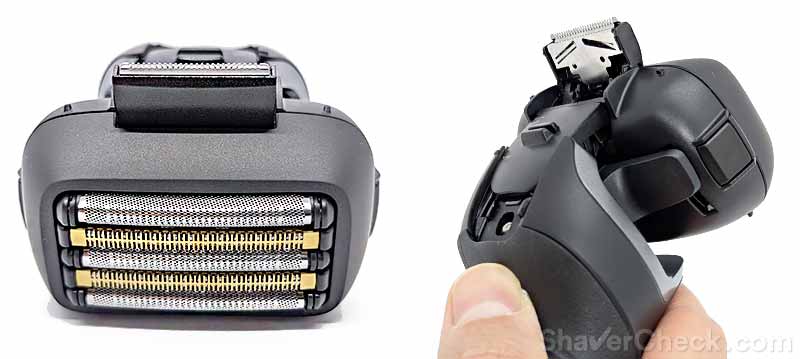
The trimmer on the Braun S9 PRO+ in comparison feels like a toy.
I would not however use this trimmer regularly to pre-trim an entire beard. It wasn’t designed for that, and it won’t be the best experience.
It would take too long, the hair length won’t be perfectly even and the way you hold the shaver makes it uncomfortable for a long trimming session.
If you constantly have to trim your beard, an inexpensive beard trimmer is a much better option.
Noise
The Panasonic ARC 5 PRO is actually a bit louder than the regular ARC 5, making it one of the noisiest shavers out there.
The motor runs at a very high speed, and there are 5 cutters that oscillate and vibrate.
My phone app says the ARC 5 PRO is louder by around 3–4 decibels than the ARC 5 ES-LV67 for example.
It’s also louder than a Braun Series 9 PRO/PRO+, at least in terms of decibels, but it’s a different type of loud.
The ARC 5 PRO pitch is a lot higher, while the Braun vibrates more and it’s a buzzier/raspier sound.
Here they are both, so you can judge for yourself:
If you’re someone sensitive to high-pitched noise, the ARC 5 PRO may be a bit too much. The ARC 6 is the same or even a bit worse if you’re curious about that one.
To be honest, I was surprised that the PRO is somewhat noisier than the old ARC 5 generations, despite using the same motor.
Perhaps the beard density sensor is mapped a bit more aggressively on the PRO or the redesigned cutters vibrate more.
Battery life and charging
In terms of actual hardware and specs, this is where a PRO version of the ARC 5 falls a bit short in my opinion.
The two USA shavers, but also the rest of the (Japanese) models, are fitted with the same Li-ion battery as before.
Panasonic has been using this battery since forever in many different shavers, and it’s looking increasingly dated.
When fully charged, it can provide up to 45 minutes of cordless-only use, at least in theory.
In practice, since the ARC 5 PRO uses a power-hungry, very snappy motor, and because there’s a lot of friction between the blades and foils, you will need to charge it sooner than that.
Also, when the charge goes down to around 20–30%, I can, in fact, notice a performance drop.
The shaver would feel slower and it would take more time to get the same closeness.
So for me at least, this is a 35-minute battery.
Braun and especially Philips fare much better: 60 minutes without any slowing down.
This means you would need to charge your ARC 5 PRO more often.
And the very basic battery indicator can add to the frustration because it only shows 3 charge levels, so it’s not as granular and might catch you by surprise.
The ES-L550WS and ES-L580WS are cordless-only and will not work with the cord plugged in.
My Japanese unit (ES-L570D), on the other hand, is a cordless and corded model, so that partially makes up for the less impressive battery and display.
The USA ARC 5 PRO features Panasonic’s proprietary port, not USB-C, unfortunately.
In the box, you’ll get the Panasonic RE7‑87 charger, which has a universal voltage adapter (100–240V), so you will be able to use it overseas as well.
You will only need a basic plug adapter that will fit in the local socket.
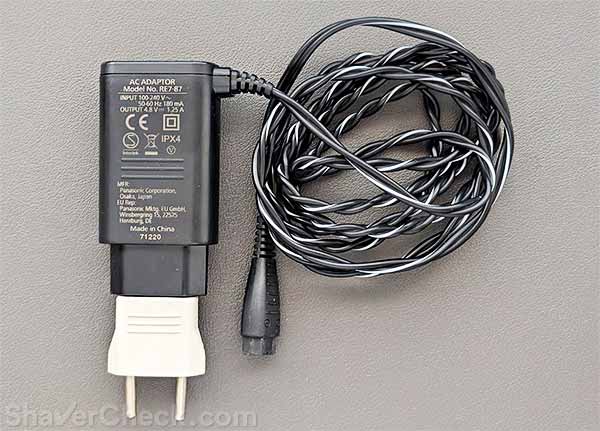
Charging the shaver from 0 to 100% takes just under one hour and there’s also a 5-minute quick-charge function.
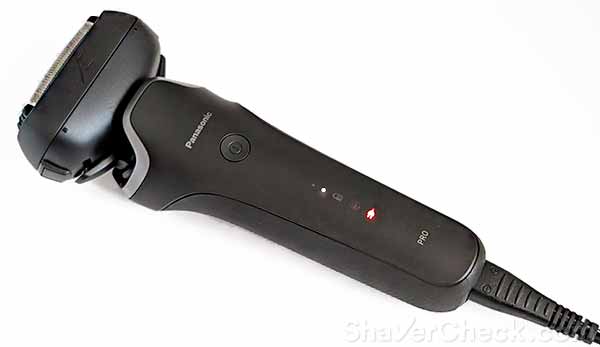
When the battery is completely depleted, you’ll be able to charge it for 5 minutes and get around 5 minutes’ worth of cordless shaving time for a quick session.
I wouldn’t take advantage of that unless I absolutely have to (because of the slowing down mentioned previously).
The ES-L580WS can also be charged via the cleaning station in addition to connecting the cord directly to the shaver.
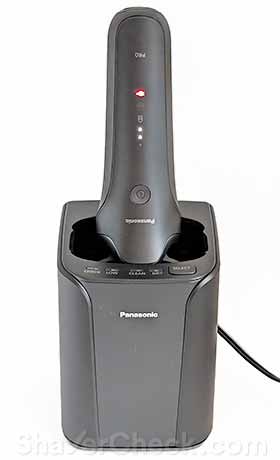
It’s very interesting that for the two USA ARC 5 PRO models, Panasonic chose the older RE7‑87 charger and port.
My Japanese ARC 5 PRO (Lamdash PRO 5) uses a slightly different port and charger (RC1-81), so older chargers like the RE7‑87 will not physically fit.
I think this was a good call, as it means you’ll be able to also use your older Panasonic chargers or even those nifty Panasonic-to-USB-A cables, super useful when traveling.
Cleaning and maintenance
Choosing the shaver-only ES-L550WS or the ES-L580WS that includes a cleaning station is entirely up to you.
For me, the choice would be pretty simple. Unless I can get a great deal on the ES-L580WS, I would buy the ES-L550WS as it’s super easy to clean manually.
Plus, the Panasonic station has some quirks, despite being the most feature-rich and impressive automatic cleaner out there.
But you would need to decide from the beginning, as the ES-L550WS will not work with a station purchased later on.
Manual cleaning
As long as you perform a proper manual cleaning regularly, i.e., after every shave, the Panasonic station is not a must-have.
And by proper, I mean using water and, ideally, a bit of liquid soap.
Panasonic includes a small brush, but I generally don’t use it.
Also, you can only brush the inner part of the foil head with the long bristles, and you should never brush the outer foils directly.
I have been cleaning my Panasonic shavers with water and liquid soap for over 15 years and never had any issues with dirt buildups.
Again, the key is to do it regularly; luckily, it takes less than a minute.
Once you finish shaving, turn the shaver off, remove the foil head by squeezing the two release tabs, and give it a quick rinse with tap water.
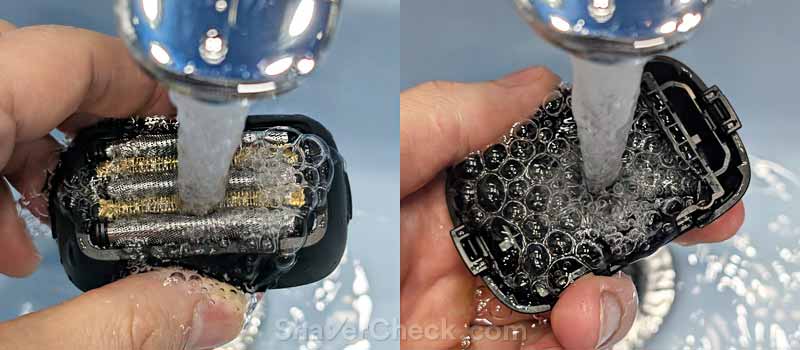
After that, snap the foil back in place, pour a few drops of liquid hand soap on the outside of the foil, and then press and hold the power button for a few seconds.
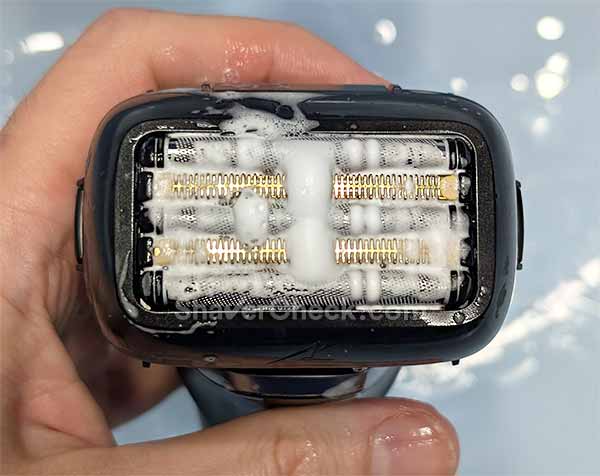
In the past, this would have made a Panasonic shaver enter a special mode, called Sonic cleaning mode, where the blades would vibrate much faster and wouldn’t splash water and soap around.
For the newer wet/dry ARC 5 PRO however, Panasonic replaced the Sonic mode with a silly-sounding Bubble-making mode.

This uses a special vibrating pattern that lathers shaving cream, or, in this case, soap.
It’s not as effective as the old Sonic mode, but it gets the job done.
You can use your finger to spread the soap evenly on the foils while the shaver is running, and even add a few drops of water if needed.
The foam-making mode turns off automatically after 15 seconds, but you can do it sooner by pressing the power button once, and the shaver will continue to run normally.
With your shaver still on, rinse the head generously under the tap.

This is where the old Sonic mode would have been much better, as it didn’t splash water all around (my corded&cordless Japanese ARC 5 PRO still has it, fortunately).
After rinsing for 10 to 15 seconds, turn the razor off, remove the foil head, and give everything one final rinse. Wash the rest of the shaver as well.
Gently pat everything dry with a clean towel (without rubbing) and let the parts air dry completely (with the foil head detached).
That’s all there is to it, and even though it sounds like a lot, it takes less than one minute.
Automatic cleaning
If you do decide that spending more on the ARC 5 PRO ES-L580WS (which includes the station) is worth it, here’s everything you need to know.
The station itself is excellent, probably the best out there feature-wise.

It’s compact, well built, you have the option to just dry the shaver without cleaning it (if, for example, you just washed it yourself), and has the most effective drying system.
It uses a heating element and a fan, so the shaver will be perfectly dry at the end of the cycle.
The station also charges and lubricates your ARC 5 PRO.
The downsides?
It uses concentrated detergent that you must mix with water in this open tray.
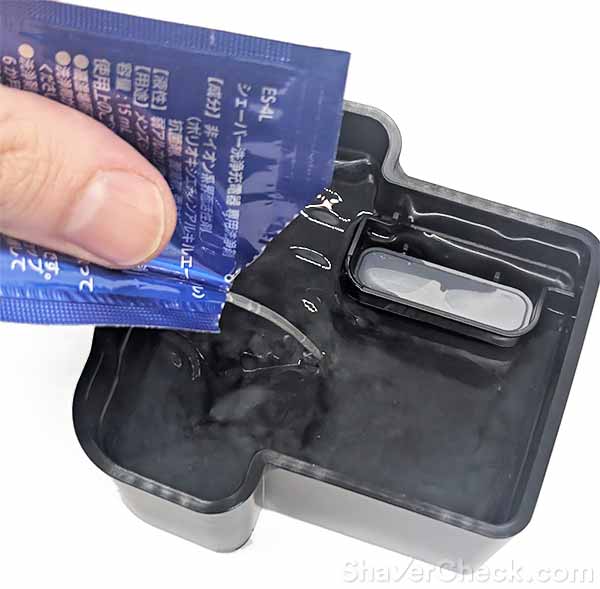
Once you do that, you’re stuck with it until you need to replace the solution (that can be after a few months, depending on how often you use it).
In contrast, a Braun station uses resealable cartridges that you can simply remove, put the cap back on, and store for later use.

I personally find the Panasonic station less practical because of this, but that’s because I have limited space on my countertop, and I’m also afraid of knocking over the station.
Just a small bump can cause the fluid to spill.
Finally, the Panasonic cleaning solution is detergent-based, so it’s more prone to getting moldy and smelling funky.
You need to thoroughly clean the tray and filter when changing the fluid.
Again, Braun’s alcohol-based solution (and cartridge system) means you don’t have to deal with any of these shortcomings.
The Panasonic station is very easy to set up.
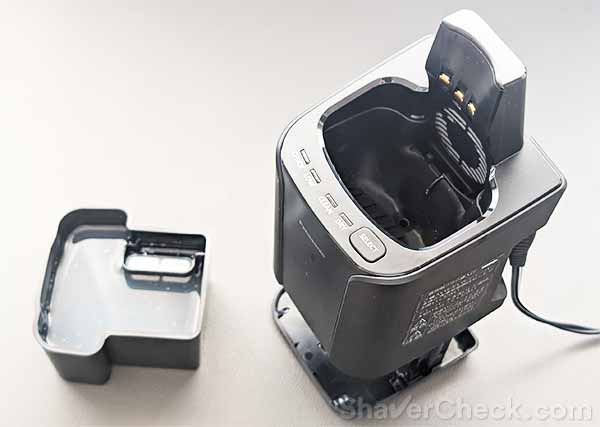
You open it, take the tray out, fill it with water to the mark, and then dump the detergent from the pack and mix it.
After that, you carefully insert the tray into the station, close it, connect the cord, and you’re good to go.
Fun fact: the station must be placed down when you press the open button; otherwise, it won’t open. Or manually hold the spring-loaded tab on the bottom of the tray:
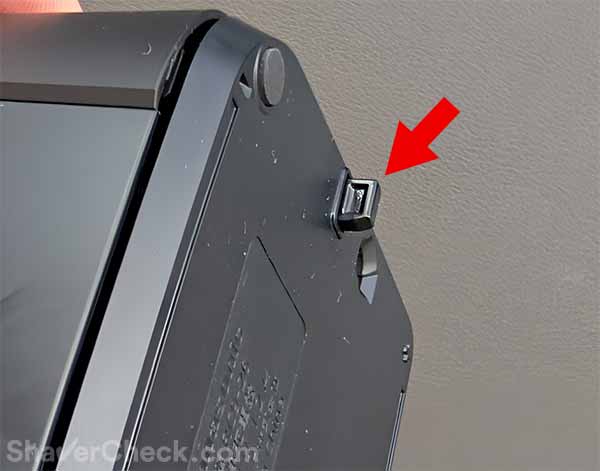
This is a mechanical safety feature to ensure that the station is seated on a hard surface and the liquid won’t spill when you open it.
When in use, make sure the station is on a level surface at all times.
With the shaver in the correct position (signaled by the station’s LEDs flashing), press the select button and choose clean.

The station will then go through the cleaning, drying and charging cycles automatically (unless you select just the drying program).
Here’s a video of my shaver doing that:
The Panasonic cleaning cycle is probably the longest of any station, taking almost 10 minutes to complete.
In comparison, Braun’s Intensive mode (the longest) lasts just over 2 minutes.
After the cleaning is done, the drying cycle kicks off and runs for about one hour and 20 minutes, again significantly longer than Braun’s 50-minute drying routine.
The fan in Panasonic stations is also louder and whinier than the one in a Braun station.
On the plus side, the higher RPM combined with a heating element results in the shaving head of your Panasonic ARC 5 PRO being completely dry.
Charging the shaver resumes only after the drying phase.
The station does a fine job and cleans and lubricates the shaver really well.
You can certainly use it just once or twice a week and clean the shaver manually in the meantime to prolong the life of the cleaning fluid.
But some of it will still evaporate as you can’t seal the container.
That, plus the mildew issue, is my main gripe with the station and why I prefer to clean my Panasonic shavers manually.
Lubrication
Unless you use the station after every shave, you will need to lubricate your ARC 5 PRO yourself.
Panasonic foil systems need to be properly lubricated to avoid excessive heat and wear, and to perform optimally.
You will find a small bottle of lubricant (highly refined paraffin oil) in the box.
If you clean your Panasonic shaver with water and soap, then I would strongly suggest oiling it after every such cleaning.
You can do it right before you shave (that’s how I usually do it).
With the foils clean and dry, place a single drop of oil on the outside of each of the 5 cutters.
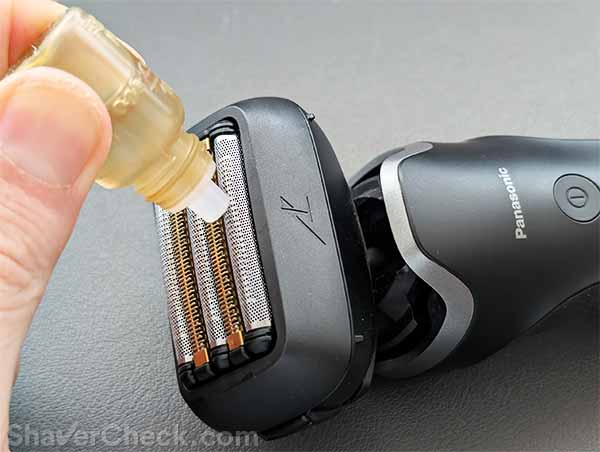
Turn the shaver on for 5 seconds, then gently wipe the excess oil with a paper tissue.
When you run out of oil, you can simply buy some clipper oil (Wahl, Syprin, Oster blade lube) as it’s the same stuff.
I would also keep (and refill) the small Panasonic bottle as it’s great for traveling.
Alternatively, spray lubricants for clippers or shavers work at least as good as oils.
I sometimes use some Andis CoolCare Plus or Wahl Blade Ice, but you would need to let it dry for at least 30 minutes before using the shaver.
The lubricating properties of these sprays are even better than the oil, in my opinion.
Here’s a summary of how often you should lubricate your Panasonic ARC 5 PRO:
1. If you use the cleaning station regularly (after every shave), never. The solution will provide all the needed lubrication.
2. If you only clean your shaver with water, twice a week would suffice.
3. If you clean your shaver with water and soap (highly recommended), then you should oil it after every such cleaning.
Replacement parts availability
As we know, the Panasonic ARC 5 PRO comes with a completely new foil system with all 5 blades integrated into this cassette-style head.
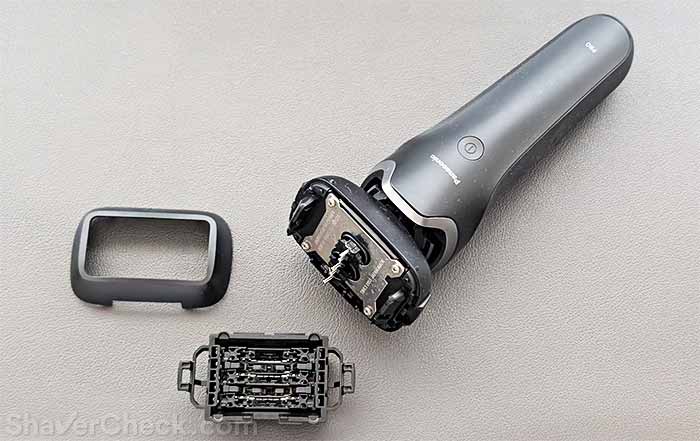
So the previous ARC 5 replacement parts will not fit.
Instead, you would need a very specific replacement foil head with the part number ES9510 for your ARC 5 PRO.
At the moment of publishing this review, the ES9510 was not available for purchase in the USA.
It should be sooner than later, but right now, you can only import it from Japan, be it directly from Panasonic or from Amazon.co.jp.
I will be updating the article once the part is officially launched in the USA.
The price will probably be quite high, and I expect it to cost more than the latest Braun S9 PRO+ cassette.
According to Panasonic, you should replace this foil head once every 18 months.
In reality, that will depend on how often you shave, the coarseness and density of the stubble, the duration of the shave, and how well you take care of the shaver (cleaning, lubrication).
Some users will need to replace it sooner, but others can get away with changing the foil every few years.
But you will likely spend more on the part than you would for the non-PRO ARC 5 or for the Braun S9 PRO+.
Takeaway: Should you buy the Panasonic ARC 5 PRO?
Objectively, and considering just the shaving performance, the ARC 5 PRO represents an evolution compared to the previous (non-PRO) ARC 5.
The new shaver is more comfortable, the head is a bit more manageable in size, it feels more refined, and it’s more effective at catching difficult facial hair.
The closeness is at least as good and I think users with sensitive skin in particular will be able to get more out of it because the risk of razor burn is lower.
Panasonic ARC 5 PRO ES-L550WS
It’s one of the best picks for men who shave often and are primarily interested in getting a very close shave.
That said, if you can buy one of the older non-PRO ARC 5 at a discount, the price difference would be pretty difficult to justify. And the new replacement head for the PRO will be pricier as well.
Personally, I think the lack of USB-C is a major omission; USB-C alone would have been a solid reason to buy the ARC 5 PRO over the ARC 5.
But with no USB-C and a premium price tag, the ARC 5 PRO makes the old ARC 5 seem particularly appealing.
European buyers, on the other hand, get two models (ES-L550U, ES-L580U) with USB-C, and when on sale, I think they are a compelling option.
Alternatives
Panasonic ARC 5 PRO vs ARC 6
Considering its performance and price, I think the ARC 5 PRO makes more sense as an alternative to the ARC 6 rather than the ARC 5.
The new ARC 5 PRO foil system is almost identical to the one on the ARC 6 (with one less foil), the design and in-hand feel are very similar, and the price is that of a more premium shaver.
Unsurprisingly, the shave is also very similar, with the ARC 6 being a bit smoother, more refined, and, to me, feeling like a faster, more substantial shaver that requires less work for a similar result.
Panasonic ARC 6

The ARC 6 sounds and feels faster, and that’s probably the result of using a differently tuned motor or maybe even a revised version of that 14 000 CPM rated unit.
I think this difference in power between the ARC 5 PRO and the ARC 6 will be noticeable if you have very coarse facial hair.
In that case, I think the advantage in closeness will be more obvious, with the ARC 6 being ahead.
I consider the ARC 5 PRO a budget ARC 6 that retains the core traits of the flagship shaver.
So if you were eyeing the ARC 6, which is still one of the pricier shavers in the USA, definitely consider the ARC 5 PRO.
The ES-L550WS in particular costs a lot less and it’s almost as good. Again, I think the ARC 6 is worth the extra money, especially if you have very coarse stubble.
In that case, you will appreciate and notice the extra power and refinement of the ARC 6.
Panasonic ARC 5 PRO vs ARC 5
A discounted ES-LV65 or ES-LV67 is, in my opinion, unbeatable.

These shavers are a bit more aggressive than the ARC 5 PRO, but unless you have sensitive skin, you should be totally fine.
The closeness and power are impressive, and if you’re someone who shaves often, I would actually recommend them over the ARC 5 PRO.
They cost less, the replacement foil and blades cost less, and they even have a couple of superior features.

The ES-LV65 has one of the best and most useful LED displays that shows the duration of the shave and battery level in 10% increments.
Moreover, it has the best physical travel lock, you can deactivate the shaving sensor, and it comes with the OG Sonic cleaning mode.

It’s also smaller and fits better in the hand.
The ES-LV67/ES-ALV6H shaves just like the ES-LV65, but has a less impressive display (still better than the one on the ARC 5 PRO) and you can’t deactivate the beard density sensor (not an issue in my experience).

So if the gentler foils of the ARC 5 PRO, along with the better performance with longer stubble don’t seem like they’re worth the extra money, definitely consider the basic ARC 5.
As for upgrading your current ARC 5, if it’s still in good condition and you don’t get razor burn with normal use, I don’t think the switch to the PRO ARC 5 is justified.
It’s still not significantly better with difficult hairs and in some ways, as outlined above, it is in fact a downgrade.
Panasonic ARC 5 PRO vs Braun S9 PRO+/Nevo
At roughly the same price as the ARC 5 PRO, we have the Braun Series 9 PRO/PRO+.
This shaver is in my opinion a lot better if you shave less often, like twice a week or even less, and it’s significantly more effective at catching hairs in this scenario.
It doesn’t get quite as close though, but it makes up for it in how quickly and effectively it can capture the hair.

And the latest S9 PRO+ 96xx comes with an updated foil head that shaves a bit closer than the previous models (it is also backward compatible).
I also have to mention Braun’s new flagship, the Nevo, which comes with a new metal body and updated foil head. However, the shave is very similar to the S9 PRO+ 96xx, especially in terms of closeness.
The Braun cleaning station, while not as impressive technically, is more practical and you can find many inexpensive third-party cleaning solutions.
Finally, we have the rotaries from Philips Norelco, particularly the ones in the i9000 Prestige/Prestige Ultra series.
These are probably the best picks for shaving even less often (once a week) or for very thick facial hairs that won’t poke through a foil.

That said, rotary shavers are not as mass-pleasing as a good foil machine and while they can work phenomenally, a foil shaver remains the safest pick.
I think most users should stick to Panasonic or Braun, unless you have a very specific reason to buy a rotary.
If you want to read more about foil vs rotary, I wrote a detailed piece here.
Over to you now: Have you tried the Panasonic ARC 5 PRO? If you have any other questions, make sure to leave a comment below.
It’s super disappointing to see that Panasonic decided to go with their proprietary port instead of USB-C like how it’s been released everywhere else in the world. Is it perhaps because they didn’t want it to outshine the currently available Arc 6 in NA? If so, why not just release the “Arc 6 Pro” (ES-L650U) with a USB-C port alongside it? It’s hard for me to wrap my head around.
I have the ES-L551U (basically this but with the USB-C) and while I love it I realllly wish it had a more descriptive battery indicator, and a longer battery life. I basically have no other qualms with it, it is super close shaving while managing to remain supremely comfortable.
Thank you for the comment, much appreciated. Those are some great observations.
I cannot help but notice Panasonic’s long standing lack of interest for the North American market when it comes to releasing newer generations of the 5 and 6-blade shavers. It’s just puzzling. At least they are consistent with the (dissapointing) battery, it’s the same in all the different markets and it’s just not enough for today’s standards.
Sincerely,
Ovidiu
I own the ES-L580U-S model since 11/24 and have been using it daily since then, alternating every other day rinse and dry, or dry only. Extremely pleased with it. It gives a close shave with no irritation whatsoever. This model has a usb-c port and I noticed teo problems with it : 1) The rubber cap sealing the port has over time become loose and sometime opens by itself. 2) There is water ingress into the usb-c port partly due to no 1) above and partly because water enters the head area into the machine body, circumventing the sealed electric module and finally exiting at the bottom into the usb-c port.
I suspect that this flaw was the main reason Panasonic issued the 2025 models . Perhaps it is why they refrain from releasing usb-c models in other markets.
Additionally, my tip for using the shaver – I find that holding by thumb and two fingers the head itself in “float” position and excercising pressure on the head itself (and not the shaver body), gives me a much better control over the shaver traversing the face curvature. Almost like using something like the ARC 5 palm model.
Hope this helps.
Hi,
Thanks so much for the comment, those are some super interesting observations.
Panasonic didn’t say anything officially about the 2025 revision, and from the renders it is difficult to say if there’s anything different with the USB-C port. My Panasonic shavers that have USB-C don’t have (yet) that problem, but I also haven’t been using them as much since I rotate shavers a lot. In Australia and Hong Kong the cordless shavers are fitted with USB-C, and only the USA models come with the Panasonic port. I will need to look more into this.
Sincerely,
Ovidiu
I have used Panasonic Braun and philips flagships. The philips is simply the best. Because it is more capable in difficult areas especially under the chin and it is better constant performance. It is also smoother and more silent.
Hey,
Many thanks for the comment.
There are certainly cases when a rotary simply works better than a foil shaver and here the Philips is clearly the winner. And while shaving with a rotary vs foil will lead to different results for different users, a rotary is objectively a lot quieter. There’s no contest in that regard.
Sincerely,
Ovidiu
Hi Ovidiu
New Panasonic shaver
https://youtu.be/1ObGqq_2dv8?si=l4VctVeXgQXzbWT_
Hi Emad,
I saw it yesterday morning as well, I will be ordering the ES-9S51 foil for the ARC 5 PRO in September (the shaver itself looks exactly the same). The new Palm ARC 6 is interesting, mainly because of a new foil head; no info on backward compatibility yet.
Sincerely,
Ovidiu
I have a panasonic es-lv9n that is 6 years old. I recently replaced the blades and foils but I don’t think I’m getting the close shave I did when it was new.
Would I be better served with a new arc5, new arc 5 pro or arc6 or braun.
Primary desire is close a shave as possible.
Daily shaver.
Medium beard.
I don’t mind spending the money as long as I will get a very close shave.
Hi JR,
If the budget allows it, the Arc 6. For a close, daily shave, that one is in my experience still the benchmark. It’s faster and more refined than the Arc 5 Pro, and you’ll get a shave that is at least as close, but in less time and with less effort. For most users, myself included, it will shave closer than any current Braun, including the Nevo. The key is to use it often, and since you’re shaving daily, it should be a great match and a nice upgrade from your LV9N.
As a side note, when it’s time to replace the foil, try getting the ES9610 replacement foil from Japan. It often costs even less, and it’s slightly better than the one that comes with the shaver.
I would also consider a pre-shave lotion, it often helps with getting an even closer shave.
Sincerely,
Ovidiu
I have a Braun series 9 which I like…but the foils keep developing holes. I’ve been through four heads in the last year, which is pretty expensive. Three foils were from Amazon and listed as genuine Braun. The fourth one came directly from Braun. I’ve been babying that one, using very little pressure and lots of caution. But I just noticed a hole in it. I am using a Braun clean and charge station. Could that be the culprit? Much as I like the Braun, I’m about to switch to a Panasonic ARC5 or 5 pro. Very disappointing.
Hi Stephen,
Four heads in a single year is A LOT, and from what I can tell, those were definitely genuine heads that should have lasted a lot more. With normal use and care (cleaning, lubrication), a foil should never develop holes. The fact that you’re using the station is a good thing, and it’s actually beneficial for the longevity of the foils. So I am quite conflicted that this keeps happening despite taking extra care of your shaver. I would normally mention excessive pressure, extra coarse hair, and aggressive cleaning, but that’s not the case here. So with the provided info, I’m afraid I can’t really pinpoint a cause.
As for the Arc 5, if you don’t have very sensitive skin, and you shave often, I would actually try to buy a non-Pro Arc 5 that’s on sale. Any of the ES-LV65, ES-LV67 or ES-ALV6H would be excellent options. Those do not come with a cleaning station (and I personally don’t recommend the Panasonic station anymore), but they are very easy to clean with water and a bit of liquid hand soap.
Sincerely,
Ovidiu
Hello Ovidiu,
How would you compare the closeness from the Arc 5 PRO to the original ARC 6 (9600 foil)? If i interpreted your review correctly, the PRO should sit in between the original ARC 6 and the new Version?
Best regards
Manuel
Hi Manuel,
As I mentioned in the review, I would still put the Arc 6 with the original foil slightly ahead of the Arc 5 PRO. This difference will be more obvious especially if you have areas with very thick/coarse stubble, where the ARC 6 will require less effort for a smooth result. The ARC 6 motor is mapped differently, or the beard density sensor is more aggressive and maintains a higher output. I was able to notice this by alternating between the two shavers, so it’s not a huge difference.
My suggestion would be to get the ARC 6 only if you have areas with very coarse stubble and, if you’re not in a hurry, wait for a good deal on it; in my opinion, the full price is still too high, even though the performance is among the best out there.
Sincerely,
Ovidiu